Projekt „Ciało w napięciu” jest autorską koncepcją artystyczno-badawczą, łączącą doświadczenia intermedialności i transmedialności z praktykami arteterapii klinicznej, psychosomatyki i teorii afektywności.
Powstał w warunkach miasta przyfrontowego - Dnipro - w przestrzeni Dnipro Center for Contemporary Arts (DCCA), miejsca które od lat kształtuje współczesną scenę kulturalną Ukrainy. Działania prowadzone były we współpracy ze studentami i pedagogami Dnipro Art College (Dniepropetrowskiego Kolegium Sztuki i Kultury).
Powstał w warunkach miasta przyfrontowego - Dnipro - w przestrzeni Dnipro Center for Contemporary Arts (DCCA), miejsca które od lat kształtuje współczesną scenę kulturalną Ukrainy. Działania prowadzone były we współpracy ze studentami i pedagogami Dnipro Art College (Dniepropetrowskiego Kolegium Sztuki i Kultury).
Projekt zakładał proces pracy z ciałem i emocją, którego celem było rozpoznanie, przepracowanie i transformacja napięć psychosomatycznych poprzez intermedialne środki ekspresji: rysunek, ruch, dźwięk i performans. Powstała w ten sposób metodologia artystyczno-terapeutyczna stanowi rozwinięcie atorskiej idei intermedialnej komunikacji afektywnej – tworzenia doświadczenia opartego na przenikaniu stanów emocjonalnych, materialności ciała i mediów sztuki.
---
The project “Body in Tension” is an original, artistic, and research-based concept that merges the experiences of intermediality and transmediality with the practices of clinical art therapy, psychosomatics, and affect theory.
It was developed in the conditions of a frontline city, Dnipro, within the space of the Dnipro Center for Contemporary Arts (DCCA), an institution that has, for years, shaped the contemporary cultural landscape of Ukraine. The activities were carried out in collaboration with students and lecturers of the Dnipro Art College (Dnipropetrovsk College of Arts and Culture).
It was developed in the conditions of a frontline city, Dnipro, within the space of the Dnipro Center for Contemporary Arts (DCCA), an institution that has, for years, shaped the contemporary cultural landscape of Ukraine. The activities were carried out in collaboration with students and lecturers of the Dnipro Art College (Dnipropetrovsk College of Arts and Culture).
The project was conceived as a process of working with the body and emotion, aimed at recognizing, processing, and transforming psychosomatic tensions through intermedial forms of expression: drawing, movement, sound, and performance. The resulting artistic-therapeutic methodology expands the author’s idea of intermedial affective communication - creating an experience based on the interpenetration of emotional states, bodily materiality, and the media of art.
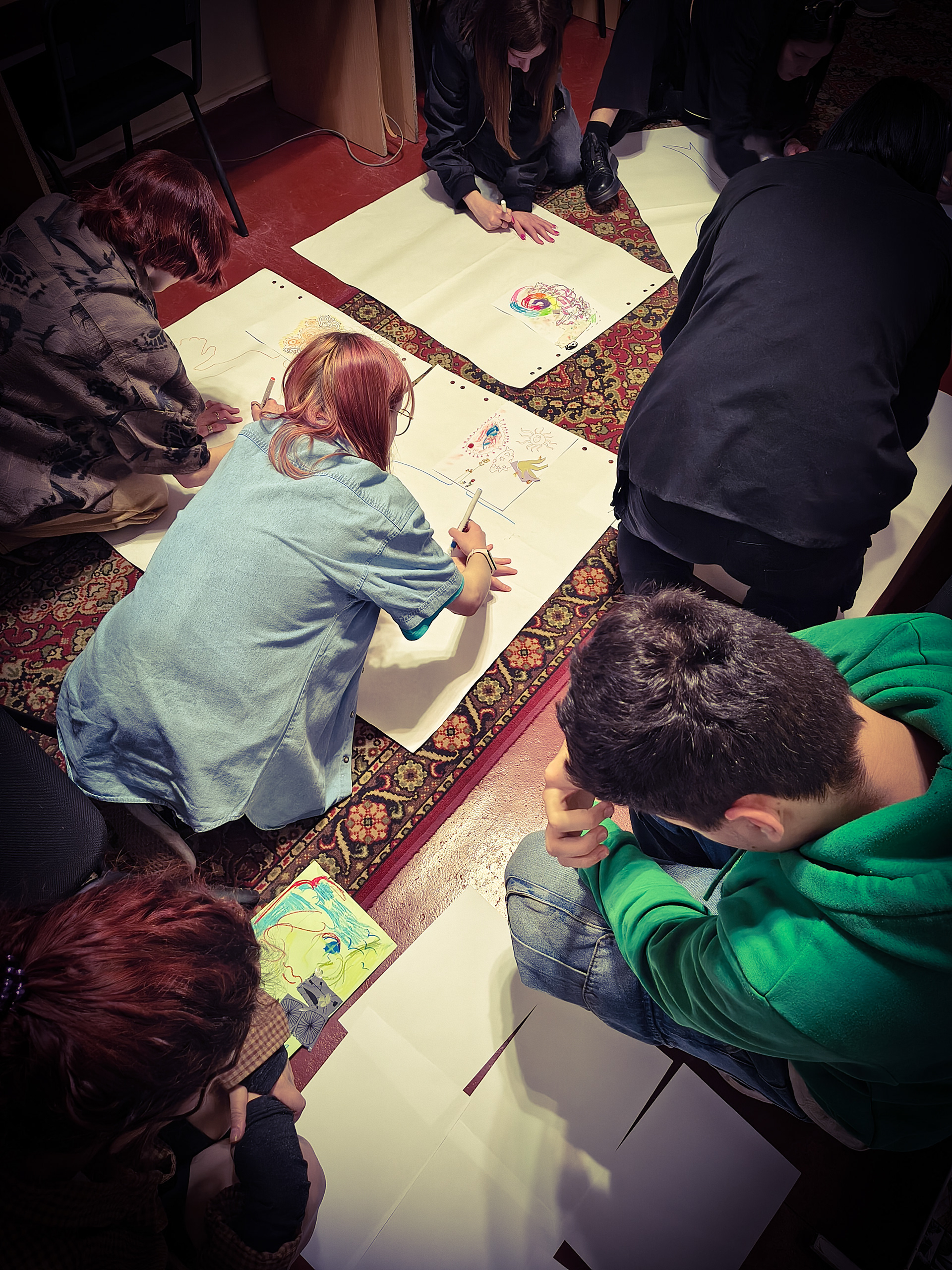
Pierwszy etap polegał na somatycznym rozpoznaniu napięć. Uczestnicy w ciszy i skupieniu lokalizowali w swoim ciele miejsca bólu, sztywności i zablokowania głosu, ruchu. Odwołano się do założeń arteterapii klinicznej i koncepcji bioenergetyki Aleksandra Lowena, według której emocje, które nie znajdują ujścia, ucieleśniają się w chronicznych napięciach mięśniowych. Mapowanie ciała stanowiło moment rozpoznania i przyjęcia emocji – pierwszą warstwę autoportretu cielesnego, z którego później wyłaniał się obraz i dźwięk.
---
The first stage focused on somatic recognition of tension. Participants, in silence and concentration, located within their bodies areas of pain, stiffness, and blockage of voice or movement. The process drew upon the principles of clinical art therapy and Alexander Lowen’s concept of bioenergetics, according to which emotions that find no release become embodied in chronic muscular tension. This act of mapping the body constituted a moment of recognition and acceptance of emotion — the first layer of a corporeal self-portrait, from which image and sound would later emerge.

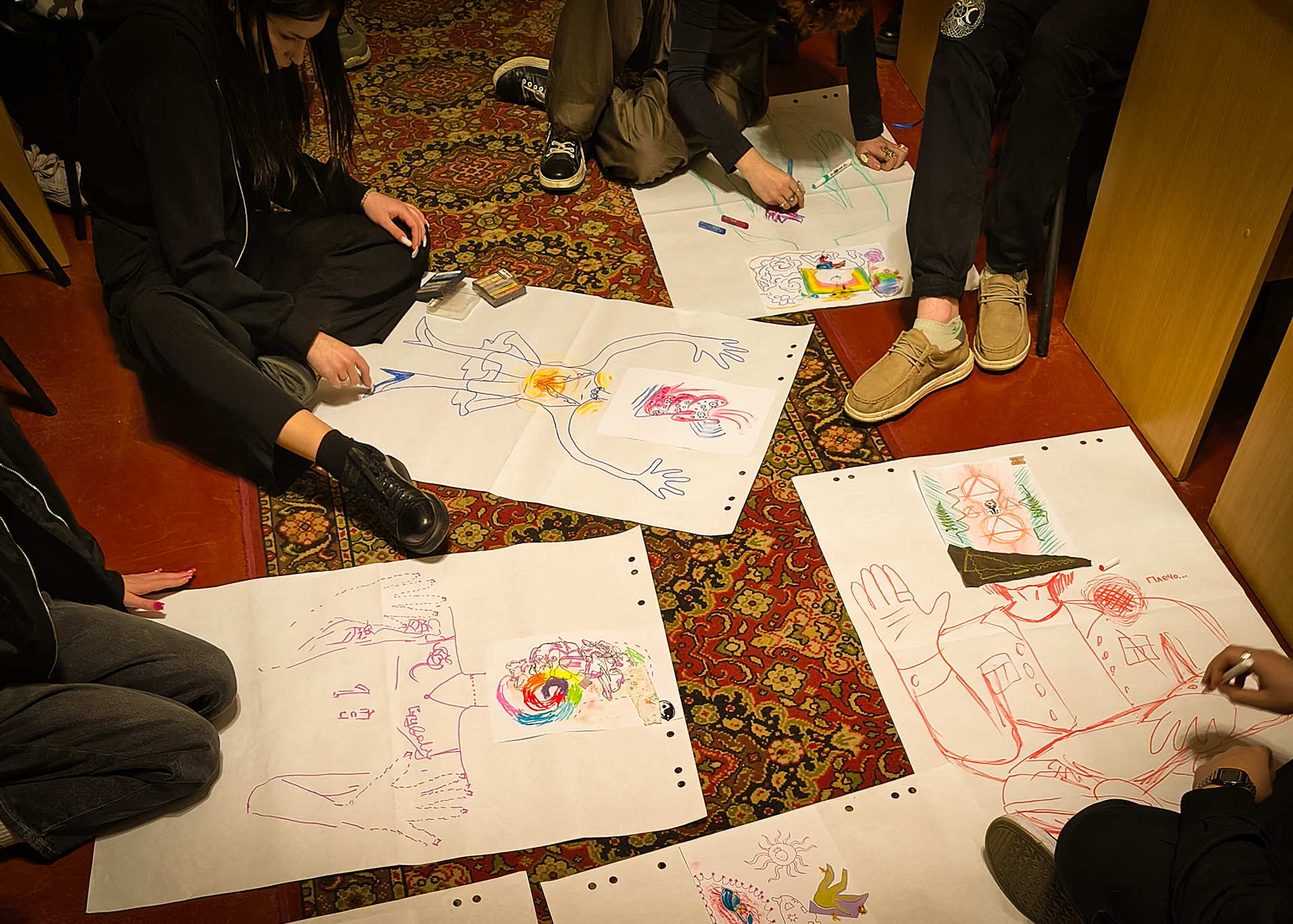
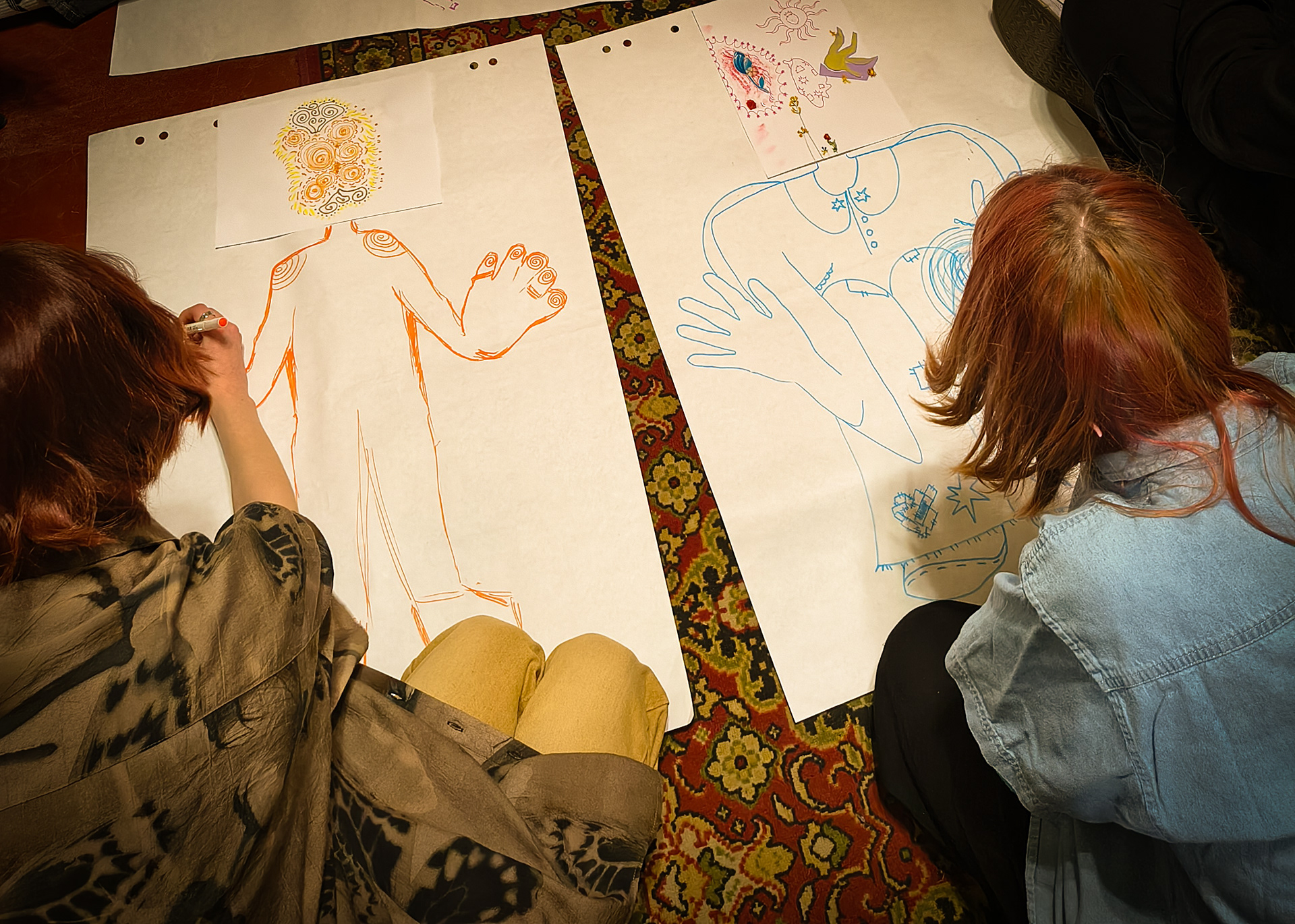
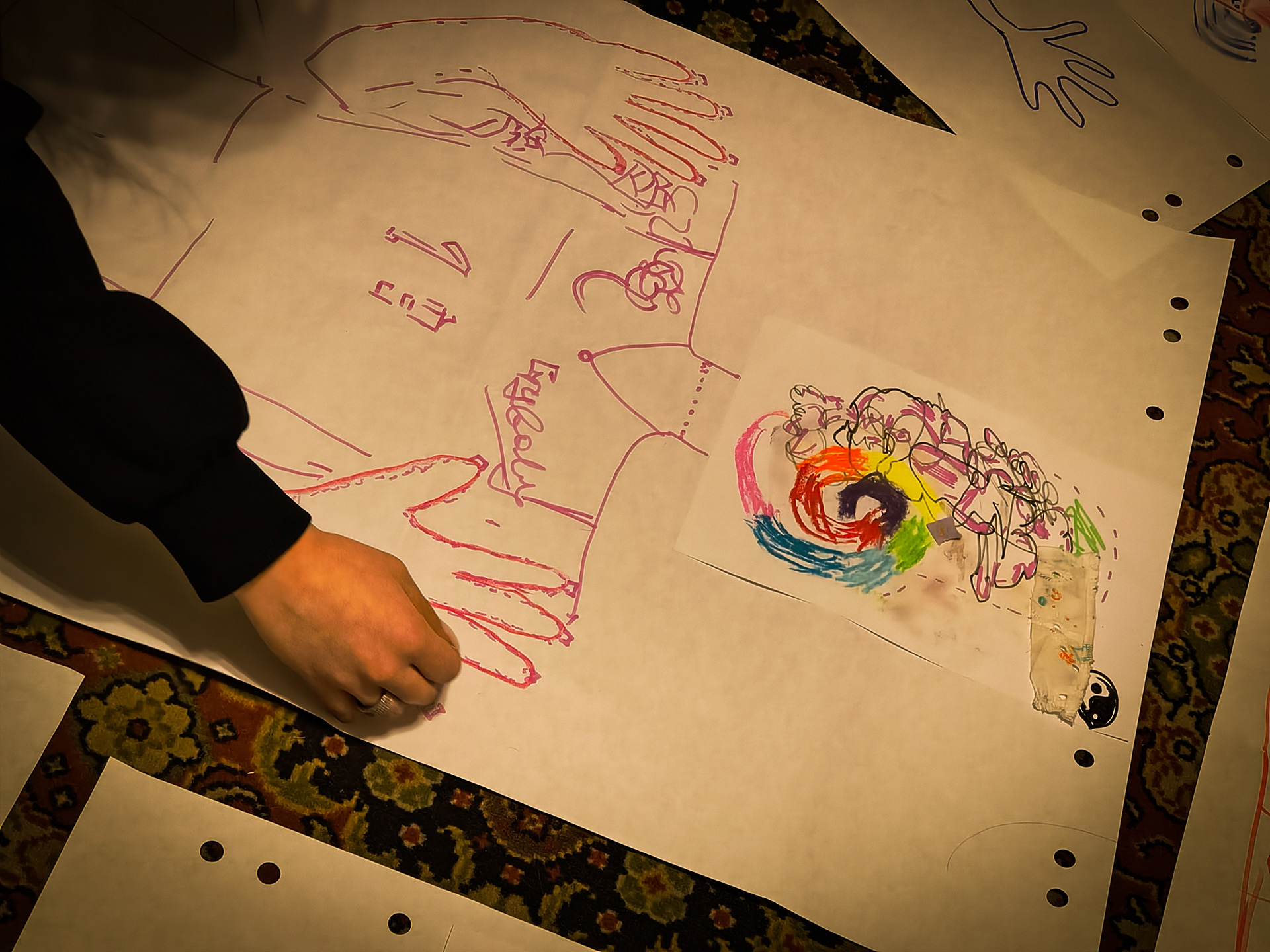
Druga faza to rysunek automatyczny, rozumiany jako spontaniczny zapis wewnętrznego stanu, a zarazem diagnostyczna partytura emocji. Uczestnicy, posługując się zamkniętymi oczami i ruchem ciągłym, tworzyli linie bez intelektualnej kontroli. Powstałe formy były materializacją napięcia i przepływu energii. W ujęciu teoretycznym proces ten łączy tradycję surrealistycznego automatyzmu (Masson, Miró) z praktykami terapeutycznymi Margaret Naumburg i Edith Kramer, dla których ekspresja spontaniczna stanowi akt integrujący świadomość i podświadomość.
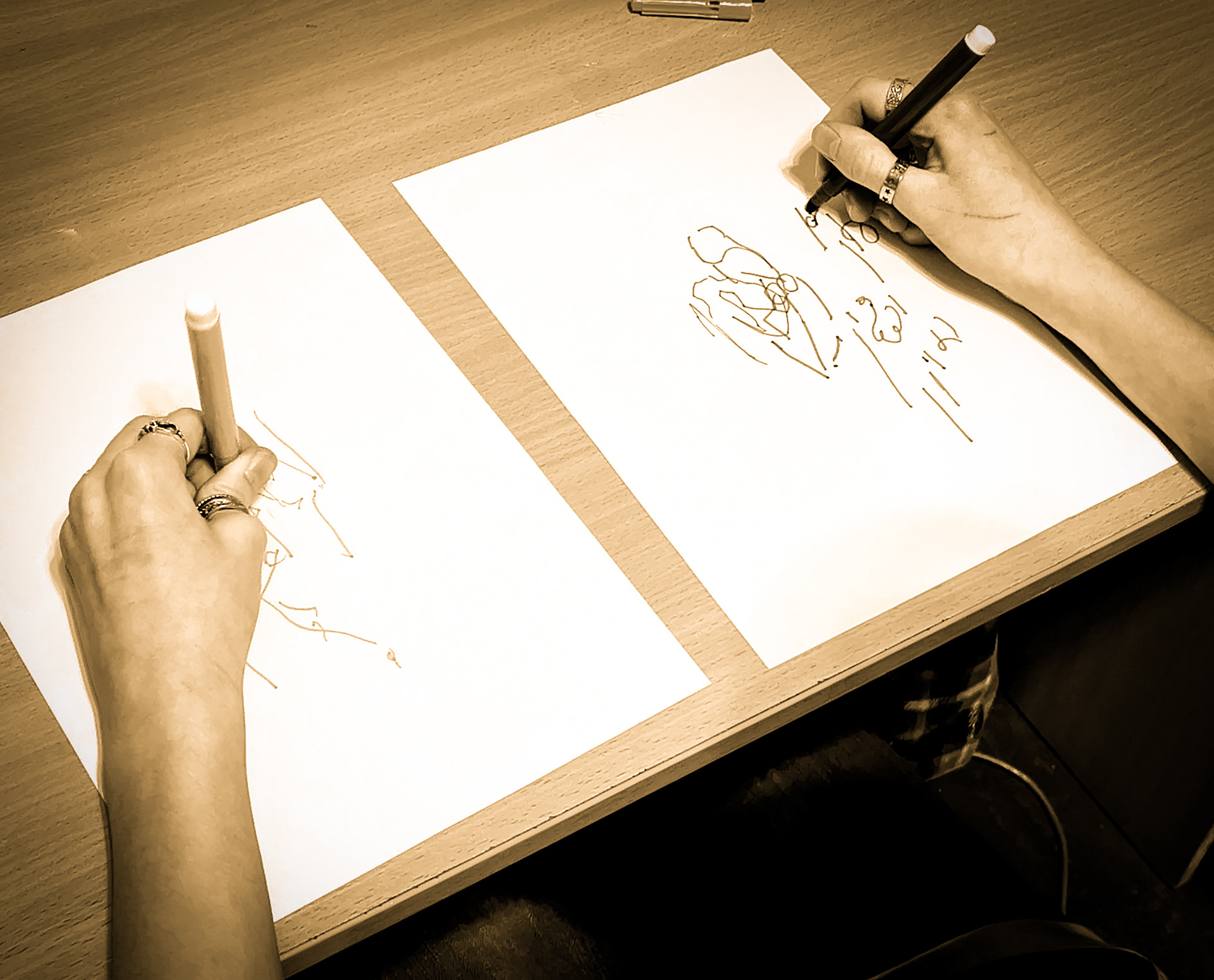
The second phase involved automatic drawing, understood as a spontaneous record of an inner state and, at the same time, a diagnostic score of emotion. Participants, working with closed eyes and continuous movement, created lines without intellectual control. The resulting forms were materializations of tension and the flow of energy. In theoretical terms, this process combined the tradition of surrealist automatism (Masson, Miró) with the therapeutic practices of Margaret Naumburg and Edith Kramer, for whom spontaneous expression represents an act of integration between consciousness and the unconscious.

Trzeci etap to performans ruchowy, w którym uczestnicy „czytali” swoje rysunki ciałem. Linie stawały się partyturą gestu, a ich powtarzalność - rytuałem oczyszczenia. Ciało, poruszając się zgodnie z zapisem własnej linii, przechodziło proces rozładowania i przekształcenia napięcia. Ten etap rozwija autorskie badania nad intermedialnym przekładem afektów – przenoszeniem emocji pomiędzy mediami (obrazem, ruchem, dźwiękiem).
Ostatnia faza to performans dźwiękowy - uczestnicy „czytali” swoje rysunki głosem, bez słów, za pośrednictwem intonacji, poszukując w sobie różnych barw brzmienia w formie szeptów, westchnień, pomruków, drżeń, szmerów, ale i krzyku. Proces body sounding'u, był afektywnym uwolnieniem głosu ciała, rodzajem dźwiękowego autoportretu emocjonalnego. Inspiracje płynęły z praktyk terapeutycznych Paula Newhama, teorii słuchu Alfreda Tomatisa i podejść opartych na rezonansie somatycznym. Dźwięk w tym ujęciu poprzedza język - jest czystym impulsem afektywnym, zapisem emocji, które nie znalazły słów.


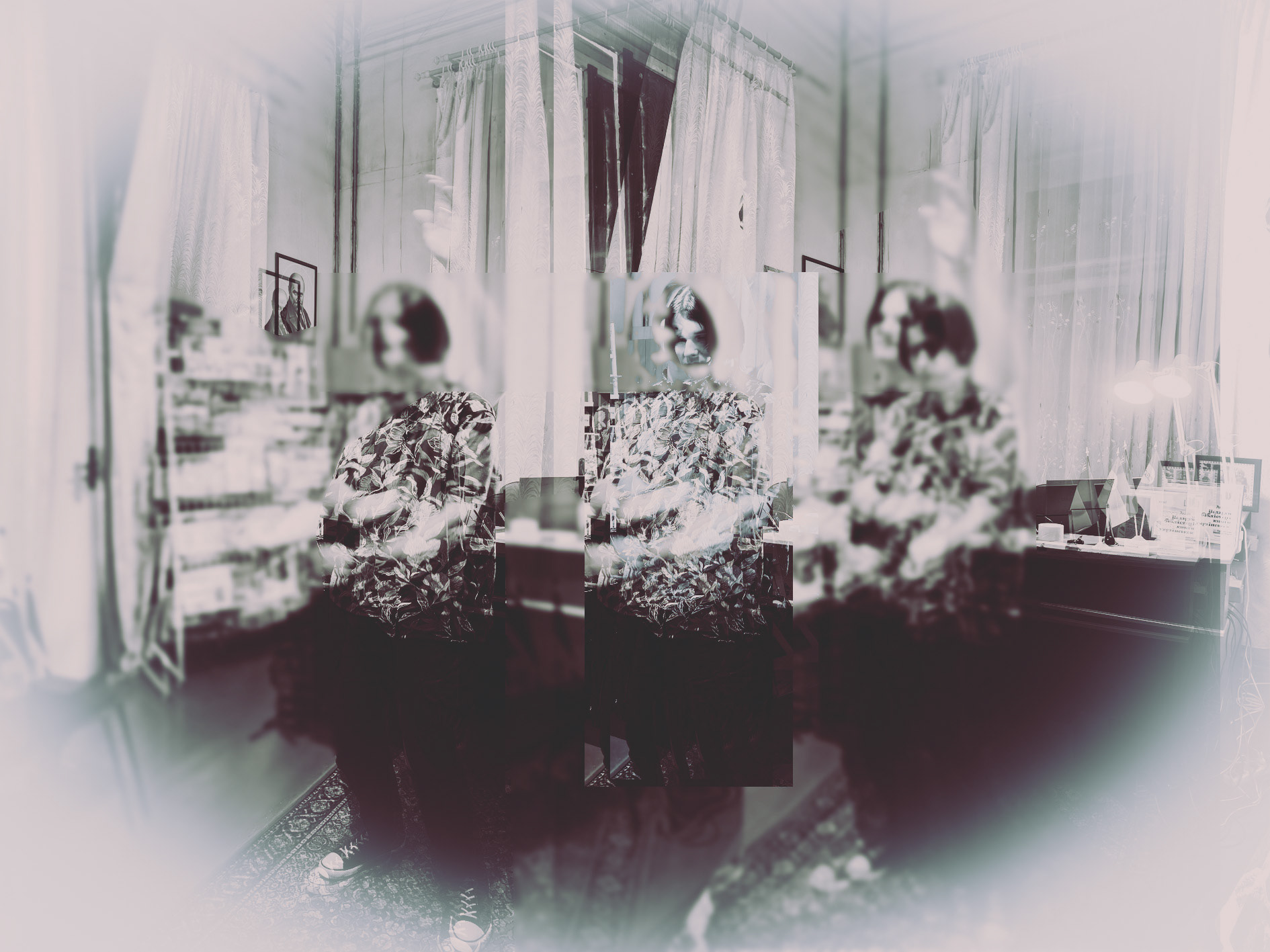
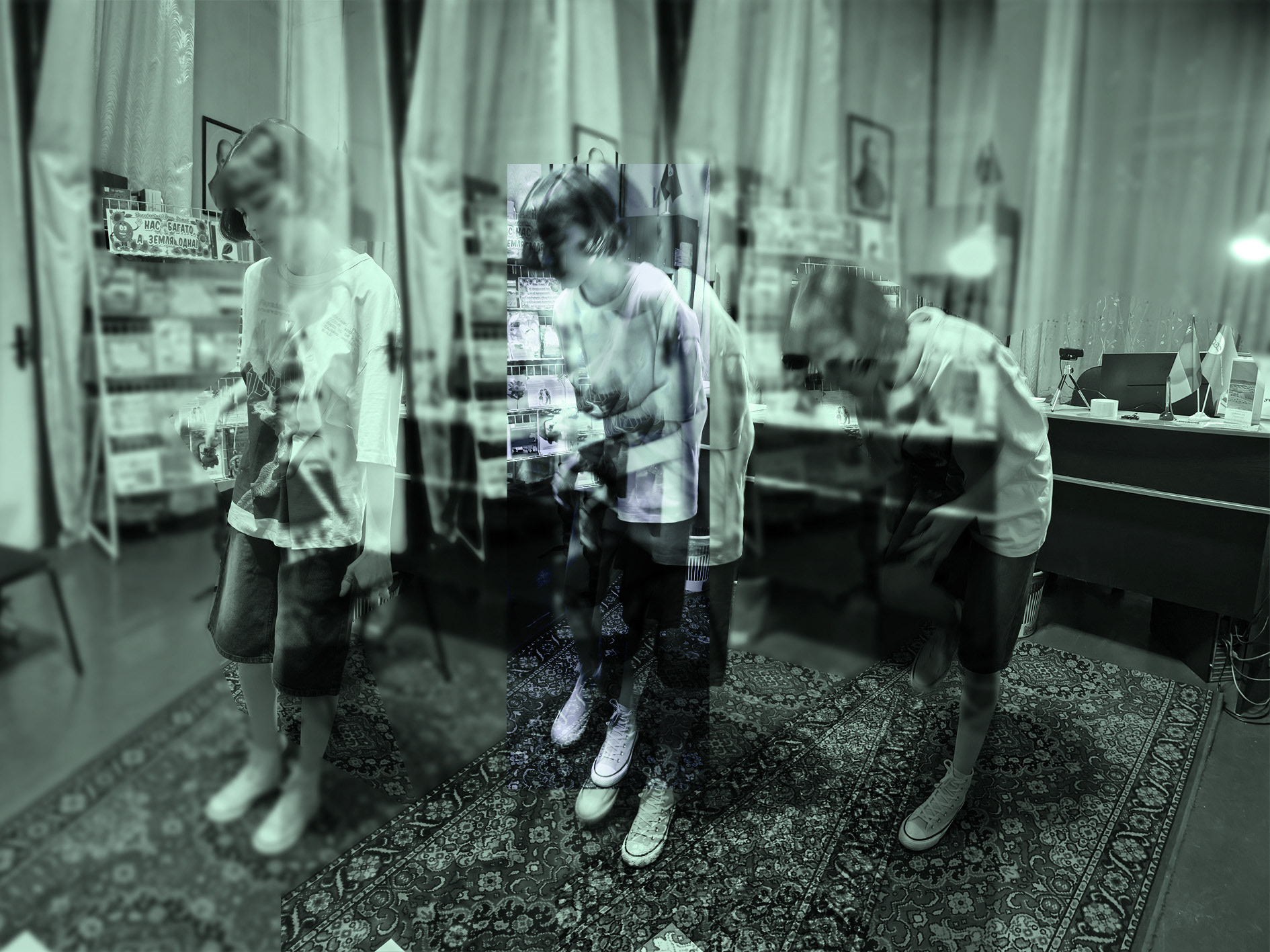
The third stage took the form of a movement performance, in which participants “read” their drawings with their bodies. The lines became scores for gesture, and their repetition — a ritual of purification. As the body moved according to the trace of its own line, it underwent a process of release and transformation of tension. This phase expanded the author’s research on the intermedial translation of affects — the transference of emotion between media (image, movement, and sound).
The final phase was a sound performance, in which participants “read” their drawings with the voice — without words — using intonation and exploring the inner timbres of sound through whispers, sighs, murmurs, tremors, rustles, and even screams. The process of body sounding became an affective release of the body’s voice, a kind of sonic emotional self-portrait. It was inspired by the therapeutic practices of Paul Newham, the auditory theories of Alfred Tomatis, and approaches based on somatic resonance. In this understanding, sound precedes language — it is a pure affective impulse, a record of emotions that have not yet found words.
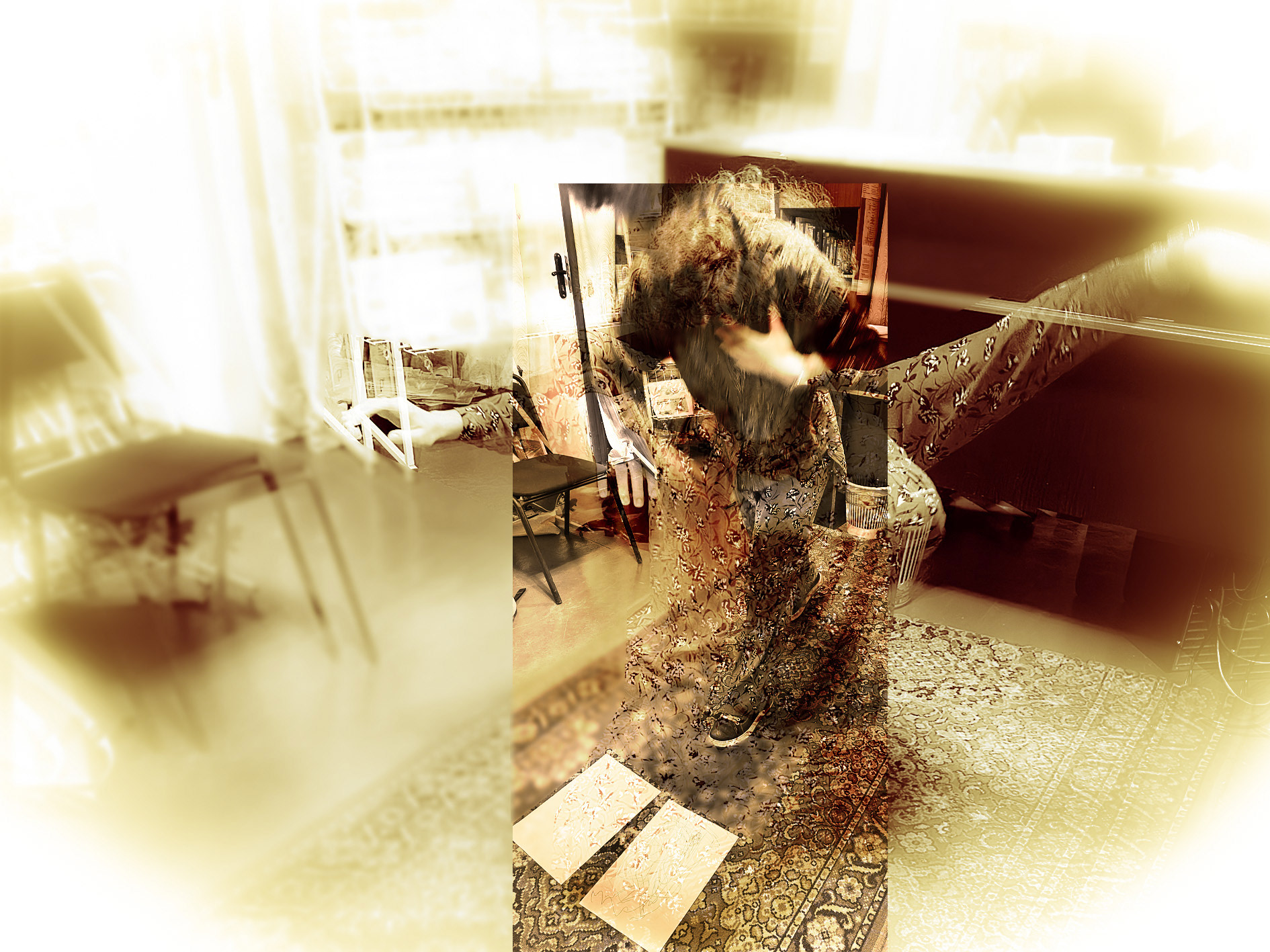

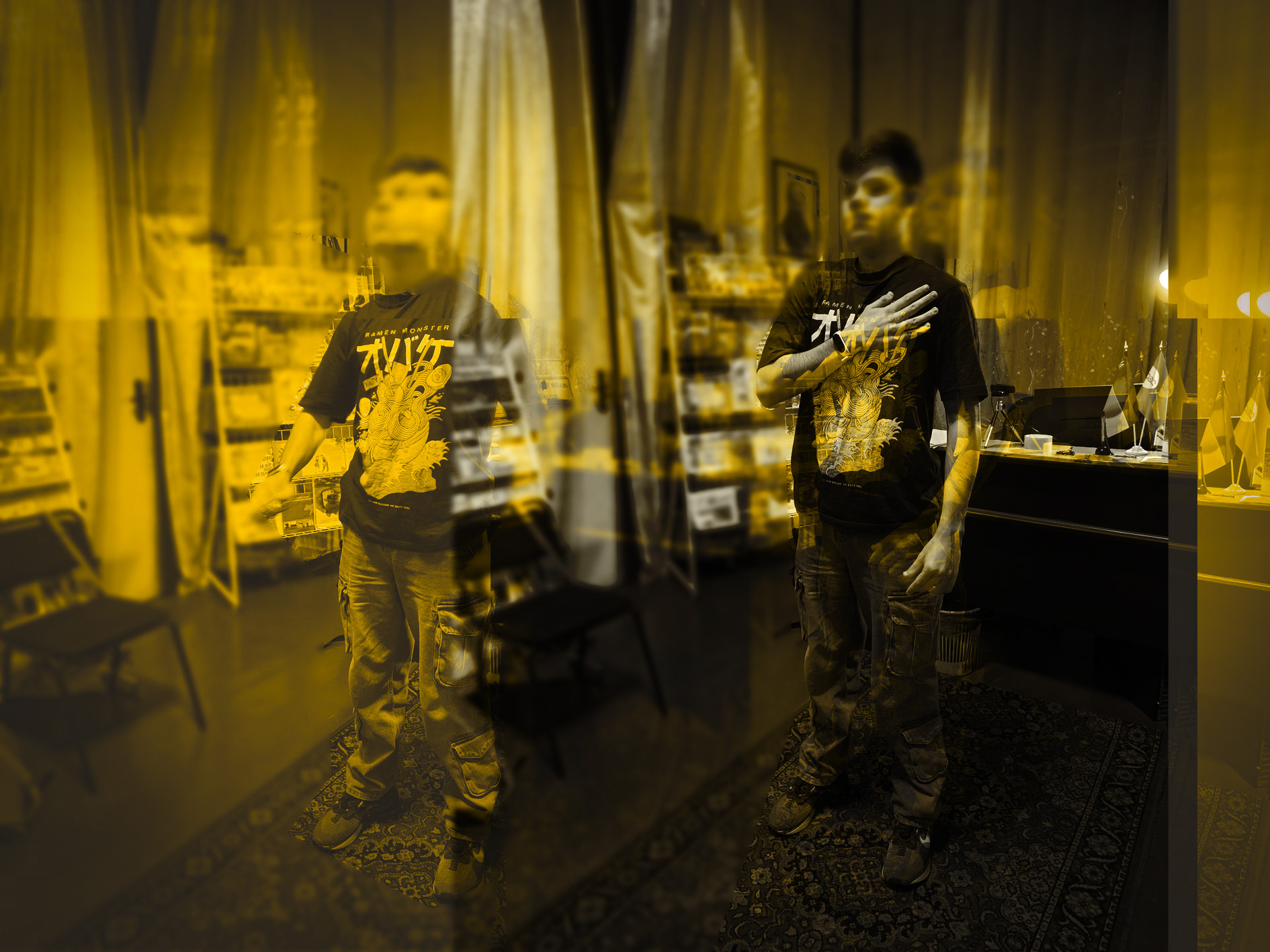
Projekt „Ciało w napięciu” łączy elementy arteterapii klinicznej, psychosomatyki i teorii afektywności w ramach autorskiej metodologii intermedialnej. W tej koncepcji sztuka staje się procesem transmedialnej komunikacji afektywnej – przepływem pomiędzy mediami, ciałami, emocjami i przestrzeniami. Rysunek, ruch i dźwięk nie są tu kolejnymi etapami, lecz równoległymi językami ciała, w których zapisuje się pamięć, napięcie i przemiana. W wymiarze teoretycznym projekt rozwija badania nad afektywną somatyką sztuki, sytuując ciało jako miejsce pamięci, oporu i regeneracji. W wymiarze społecznym stanowi formę wspólnotowego rytuału uzdrawiania, który w kontekście wojny nabiera wymiaru etycznego i egzystencjalnego.
„Ciało w napięciu” to autorska koncepcja, którą stworzyłem w sposób intuicyjny, odczuwając istniejące wokół potrzeby i wykorzystując to co potrafię robić najlepiej. Zacząłem łączyć sztukę, naukę i terapię w procesie odzyskiwania obecności. W Dnipro – mieście położonym blisko frontu – działania te stały się bezpieczną przestrzenią ekspresji, spotkania i czułości wobec ciała, a także symbolicznym gestem odzyskiwania głosu przez młodych ludzi, którzy dorastają w cieniu wojny.
---
The project “Body in Tension” integrates elements of clinical art therapy, psychosomatics, and affect theory within an original intermedial methodology. In this conception, art becomes a process of transmedial affective communication — a flow between media, bodies, emotions, and spaces. Drawing, movement, and sound are not successive stages, but parallel languages of the body, in which memory, tension, and transformation are inscribed. On a theoretical level, the project develops research on the affective somatics of art, positioning the body as a site of memory, resistance, and regeneration. On a social level, it functions as a collective ritual of healing, which, in the context of war, acquires an ethical and existential dimension.
“Body in Tension” is an original concept that I created intuitively — responding to the needs I sensed around me and using what I know best. I began to connect art, science, and therapy into a process of regaining presence.
In Dnipro — a city located close to the front line — these actions have become a safe space for expression, encounter, and tenderness toward the body, as well as a symbolic gesture of reclaiming the voice by young people growing up in the shadow of war.
In Dnipro — a city located close to the front line — these actions have become a safe space for expression, encounter, and tenderness toward the body, as well as a symbolic gesture of reclaiming the voice by young people growing up in the shadow of war.